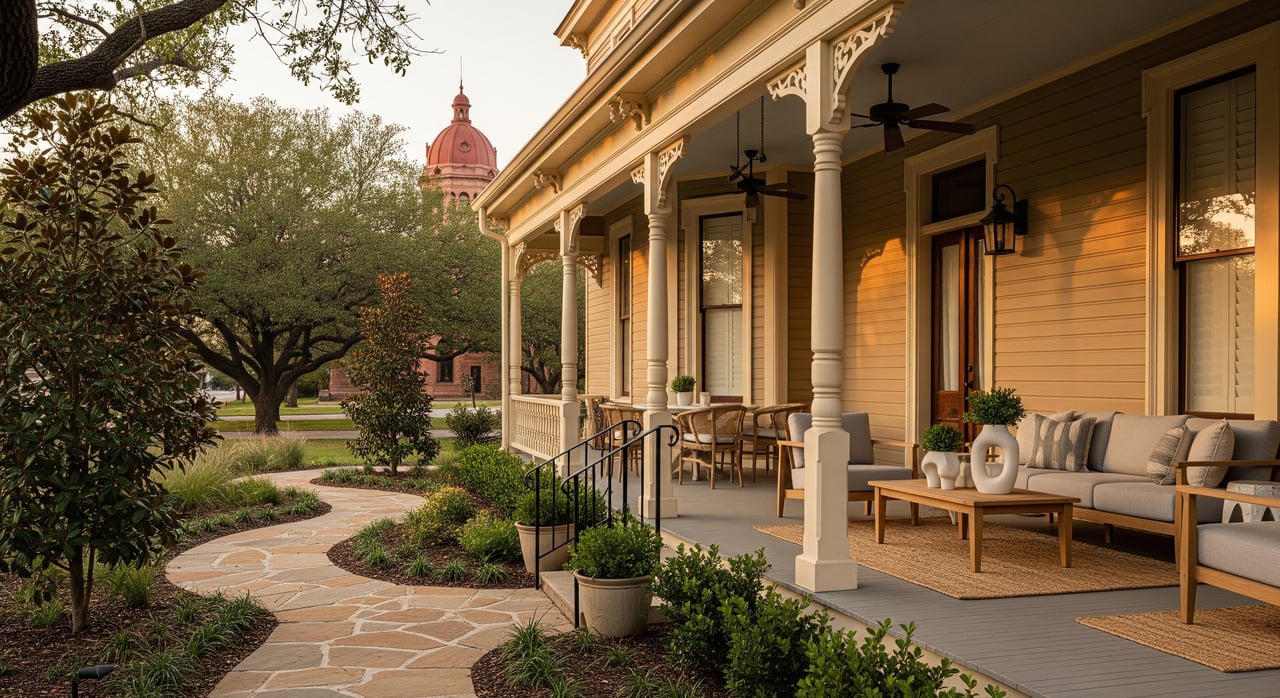
Craving a place where weekends feel relaxed, neighbors say hello, and daily life still comes with modern conveniences? You are not alone. Many buyers look to Waxahachie for that small-town pace paired with easy access to the Dallas–Fort Worth metro. In this guide, you will learn what it is like to live in Waxahachie, from neighborhoods and commutes to schools, parks, and practical buyer tips. Let’s dive in.
Why Waxahachie works for you
Waxahachie sits in Ellis County on the southern edge of the Dallas–Fort Worth region. It combines a historic downtown square, community events, and space to spread out with a reasonable drive to regional job centers. According to the 2020 U.S. Census, the city had about 41,140 residents and has continued to grow with southern DFW’s expansion.
The lifestyle often centers on a charming courthouse square, local shops, and seasonal festivals. You will find a mix of established neighborhoods and newer master-planned communities, plus acreage options nearby. Many residents commute north for work or split time between the home office and occasional trips into Dallas.
Neighborhoods and home styles
You can choose from several distinct settings, each with its own character and benefits.
Historic downtown and nearby streets
If you love classic architecture and a strollable setting, the streets around the courthouse square are appealing. You will find Victorian-era homes and historic cottages, along with small independent retailers, dining, and civic events nearby. The area’s preservation mindset and festive calendar give it a true small-town feel.
Established neighborhoods near the core
Closer to the center of town, established neighborhoods offer older lots, mature trees, and a settled look and feel. Homes often provide a bit more yard space than inner-ring suburbs. You are typically close to everyday errands and local schools.
New subdivisions and master-planned communities
On the city’s edges, new construction drives growth. Builders commonly offer 3 to 5 bedroom homes with community amenities like pools and playgrounds. These areas often have homeowners associations, so be sure to review covenants and fees as part of your due diligence.
Acreage and the rural fringe
If you want privacy, room for hobbies, or a future custom build, the rural outskirts can be a fit. You will see larger lots and small-scale acreage tracts. Some properties may rely on private wells or septic systems, so plan inspections and utility checks early if this is your path.
Housing costs and value
Waxahachie has historically offered more space and a lower cost per square foot than many neighborhoods closer to central Dallas. Prices and inventory change quickly, so it is smart to look at fresh market data before you decide. For a county-level view of trends, you can review research from the Texas A&M Real Estate Center.
If you are comparing older and newer homes, consider tradeoffs. Older homes may offer larger lots and character, while newer construction may reduce near-term maintenance and provide modern layouts. Your best bet is to weigh resale factors, HOA rules, and tax assessments alongside your budget and timeline.
Commutes and getting around
Most residents get around by car. Typical drive times to central Dallas are often about 30 to 50 minutes, depending on route and traffic. Peak congestion can increase that window, so test your commute during the hours you care about most.
Public transit is limited compared with inner suburbs. There is no direct DART light rail to Waxahachie, and the regional Trinity Railway Express between Dallas and Fort Worth does not extend here. You can check the DART service area for current maps and any bus programs. For roadway updates and construction that may affect travel, look to TxDOT.
Air travel is straightforward by car. Both DFW International Airport and Dallas Love Field are accessible by highway, with travel time varying based on traffic and your starting point.
Schools and education
Most residents are served by Waxahachie ISD. Attendance zones may change as the area grows, so verify boundaries for the specific address you are considering. For academic and accountability information, review school report cards from the Texas Education Agency.
If private or specialized programs are a priority, you can explore options in Waxahachie and nearby communities. Your agent can help you align school preferences with your home search.
Parks, events, and everyday life
Parks, trails, youth sports, and community programs support an active lifestyle. You can browse current facilities and programming through the City of Waxahachie. The historic downtown district hosts regular gatherings and seasonal celebrations, and you will find independent retailers and local dining for weeknight meals or weekend strolls.
Many residents run daily errands close to home and head into other DFW suburbs or Dallas for specialty shopping or entertainment. Health care needs are served by local clinics and a regional medical center, with large hospital systems reachable by highway in the broader metro.
Smart buyer checklist for Waxahachie
Use this quick list to keep your search on track:
- Commute check. Drive your preferred route at rush and non-rush times to gauge consistency.
- School boundaries. Confirm attendance zones directly with Waxahachie ISD for any home you are considering.
- Property taxes. Review assessments and tax rates for each property through the Ellis County Appraisal District. Cross-verify figures before making decisions.
- HOAs and rules. If a home is in an HOA, read the covenants, fees, amenities, and parking or architectural guidelines.
- Flood risk. Check FEMA’s map viewer to see whether a parcel is in a flood zone using the FEMA Map Service Center.
- Utilities and internet. Confirm water, sewer, electric, and broadband options. Start with the City of Waxahachie for city-service areas and contact information.
- New construction. Ask about builder warranties, energy features, and any upcoming phases that could affect future traffic or amenities.
- Acreage due diligence. Plan for surveys, utility access, and well or septic inspections if you are buying outside city services.
Growth snapshot
Waxahachie’s growth reflects broader southern DFW expansion with steady residential development and supporting infrastructure. You can track long-range plans and public projects on the City of Waxahachie website and monitor county-level housing research through the Texas A&M Real Estate Center. For regional transportation planning, the North Central Texas Council of Governments and TxDOT provide helpful context on future corridors and mobility.
Your next step
If you want small-town charm with big comforts, Waxahachie belongs on your shortlist. Whether you are comparing established neighborhoods, eyeing a new build, or sketching plans for acreage, you deserve a clear path from first showing to closing. When you are ready, reach out to Krissy Mireles for local advice, on-the-ground market insight, and a smooth, client-first experience.
FAQs
How long is the commute from Waxahachie to downtown Dallas?
- Most drivers see roughly 30 to 50 minutes depending on traffic, route, and time of day.
Does Waxahachie have DART or commuter rail service?
- No direct DART light rail or TRE service reaches Waxahachie; check the DART service map for current offerings.
Which school district serves most of Waxahachie?
- Most homes are served by Waxahachie ISD; verify attendance zones for a specific address.
Where can I review school accountability reports?
- The Texas Education Agency publishes school report cards and accountability data.
How can I check if a property is in a flood zone?
- Use the FEMA Map Service Center to view flood maps and evaluate parcel-level risk.
Where can I follow housing market trends for the area?
- The Texas A&M Real Estate Center posts county-level research that helps you track broader trends in Ellis County.
