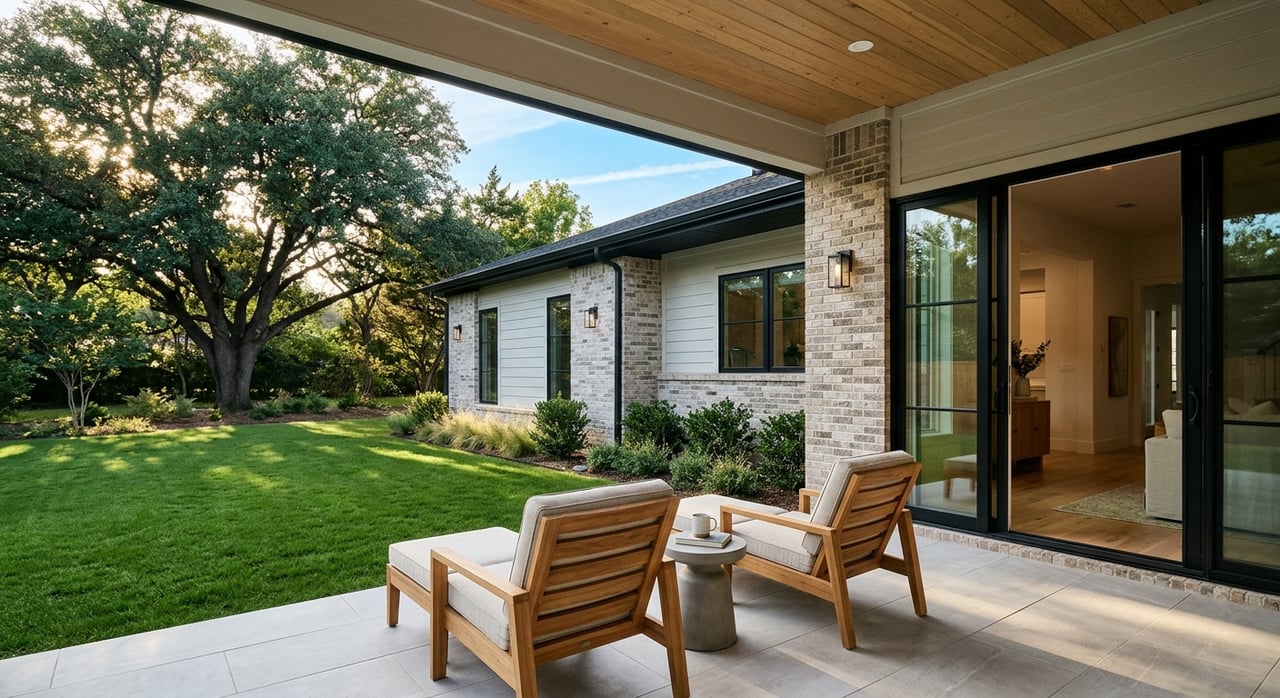
Wondering if you can get more space without feeling cut off from the rest of DFW? Mansfield stands out because it blends a suburban pace with practical access to Fort Worth, Arlington, Grand Prairie, and Dallas. If you are weighing a move to this part of Tarrant County, this guide will help you understand what daily life, housing, recreation, and location really look like. Let’s dive in.
Why Mansfield Stands Out
Mansfield sits in southeastern Tarrant County within the Dallas-Fort Worth-Arlington urbanized area, which gives you a strong mix of local comfort and regional access. According to the City of Mansfield, the city is about 20 miles from Fort Worth and about 25 miles from Dallas, with Arlington to the north and Grand Prairie to the east.
That location matters if you want a home base that feels more residential while still keeping major job centers, entertainment areas, and airports within reach. Mansfield has also continued to grow, with the Census Bureau estimating a 2024 population of 80,803 across 36.62 square miles.
Commuting and Getting Around
One of Mansfield’s biggest advantages is its road network. The city’s official Thoroughfare Plan shows major routes such as US 287, SH 360, Business 287, Broad Street, Matlock Road, Debbie Lane, and Heritage Parkway running through or connecting key parts of the city.
For everyday life, that means you are not relying on a single road to get everywhere. The city’s planning documents also note that Highway 287 runs through the heart of Mansfield and identify SH 360 as a key capacity corridor, which helps explain why Mansfield is often attractive to buyers who need flexibility for commuting, errands, and weekend plans across the metro.
Housing Options in Mansfield
If you are looking for variety, Mansfield offers more than one type of suburban living. The city’s planning and zoning framework includes single-family, two-family, multifamily, and planned development districts, which supports a broader range of home styles and price points than some buyers expect.
That mix can include everything from townhome-style lots to larger homesites. In city planning documents, one South Pointe development plan includes estate lots of 12,000 square feet and townhouse lots of 2,200 square feet, while a downtown development strategy references single-family zoning with a 7,500-square-foot minimum lot size. You can view the city’s official zoning map for a closer look at how land use varies across Mansfield.
What the Housing Profile Says
Mansfield is strongly homeowner-oriented, which shapes the feel of the market. According to Census QuickFacts, the owner-occupied housing rate is 71.5%, the median owner-occupied home value is $410,700, and the median gross rent is $1,954.
The same source reports median monthly owner costs of $2,688 with a mortgage and an average household size of 3.04 people. Those numbers help paint a picture of a city where many residents put down roots and where homes often need to work for long-term daily life, not just short-term convenience.
A Suburban Feel With Room to Grow
Mansfield often appeals to buyers who want a little more breathing room than they may find in denser parts of the metro. The mix of lot sizes, homeowner-heavy housing profile, and established residential areas supports that classic suburban feel many people are searching for.
At the same time, Mansfield is not one-note. Some buyers may prefer a more traditional neighborhood setting, while others may want newer planned development options or a location closer to Downtown Mansfield amenities. That range gives you more flexibility when matching a home to your lifestyle.
Parks and Trails Are a Major Perk
For many residents, Mansfield’s parks are not just a bonus. They are a core reason to live here. The city’s Parks & Recreation department maintains more than 1,100 acres of parkland, dozens of athletic fields, the Walnut Creek Linear Trail, and Elmer W. Oliver Nature Park.
The system also includes recreation partners such as FieldhouseUSA Mansfield, Hawaiian Falls, Mansfield National Golf Club, and StarCenter Mansfield. Whether you enjoy walking trails, youth sports, golf, or casual outdoor time, Mansfield offers a wide range of options close to home.
Why Outdoor Access Matters Here
Mansfield residents clearly value these amenities. On the city’s Community Impact page, 94% of residents said parks are important to quality of life in a 2024 survey, and 80% said parks were or are a deciding factor in choosing to live in Mansfield.
That is a big signal if you are comparing suburbs and trying to understand what sets one apart from another. In Mansfield, parks and trails are woven into the local lifestyle rather than treated like an afterthought.
Town Park and Everyday Recreation
Town Park is a strong example of what that looks like in real life. This 26-acre community park near Historic Downtown includes playgrounds, basketball and volleyball courts, pavilions, an amphitheater, and a connection to the Walnut Creek Linear Trail.
For buyers, that kind of amenity can shape how a neighborhood feels day to day. Easy access to outdoor space, walking paths, and community gathering spots can make routines feel more convenient and weekends easier to enjoy.
Historic Downtown Adds Local Character
A lot of suburbs offer rooftops and retail, but Mansfield also has a defined town-center feel. The city describes Historic Downtown Mansfield as home to unique small businesses, creative entrepreneurs, and a thriving art community.
The downtown walking-tour materials also highlight restaurants, snack stops, unique shops, and more than 50 murals, sculptures, and public pianos. That gives Mansfield a sense of local character that can be hard to find in newer suburban areas.
What Daily Life Can Feel Like
If you are picturing life in Mansfield, think beyond the house itself. This is a place where you can run errands on major arterials, spend time in parks and trails, and still enjoy a recognizable downtown district with local businesses and public art.
That balance is a big reason Mansfield continues to attract buyers who want suburban comfort without giving up access or convenience. It feels established and connected, while still offering the breathing room many people want from suburban living.
Schools and Community Infrastructure
For buyers researching the broader structure of a city, Mansfield also benefits from a large and established school district footprint. Mansfield ISD says it serves more than 35,000 students across over 94 square miles, including Mansfield and sections of several surrounding cities.
That scale helps reinforce the sense that Mansfield is not just a pass-through suburb. It has the infrastructure and regional ties that can make a move feel more grounded and practical for the long term.
Is Mansfield Right for You?
Mansfield may be a strong fit if you want a home in a suburban setting with access to major DFW routes, a wide range of housing types, and standout park amenities. It can also make sense if you value having a defined local downtown while still staying connected to larger metro destinations.
If your goal is to balance space, convenience, and everyday quality of life, Mansfield deserves a closer look. The right neighborhood and home will depend on your budget, commute patterns, lot-size preferences, and how you want your day-to-day life to feel.
If you are thinking about buying or selling in Mansfield or nearby southern DFW communities, Krissy Mireles can help you navigate your options with clear local guidance and boutique-level service. Let’s talk about your next move.
FAQs
What is Mansfield, Texas known for?
- Mansfield is known for offering suburban living with access to the larger Dallas-Fort Worth area, plus more than 1,100 acres of parkland, trails, recreation amenities, and a walkable historic downtown area.
Where is Mansfield located in the DFW area?
- Mansfield is in southeastern Tarrant County within the Dallas-Fort Worth-Arlington urbanized area, about 20 miles from Fort Worth and 25 miles from Dallas.
What types of homes are available in Mansfield, TX?
- Mansfield includes a mix of residential options supported by city zoning, including single-family, two-family, multifamily, planned developments, townhome-style lots, and larger estate-style lots.
Is Mansfield a good place for buyers who want parks and trails?
- Mansfield stands out for parks and outdoor recreation, with more than 1,100 acres of parkland, the Walnut Creek Linear Trail, Elmer W. Oliver Nature Park, and a strong resident focus on park access.
Does Mansfield have a downtown area?
- Yes. Historic Downtown Mansfield includes local businesses, restaurants, shops, public art, and community spaces that add a town-center feel to the city.
What roads make commuting easier from Mansfield?
- Mansfield’s key road connections include US 287, SH 360, Business 287, Broad Street, Matlock Road, Debbie Lane, and Heritage Parkway.
