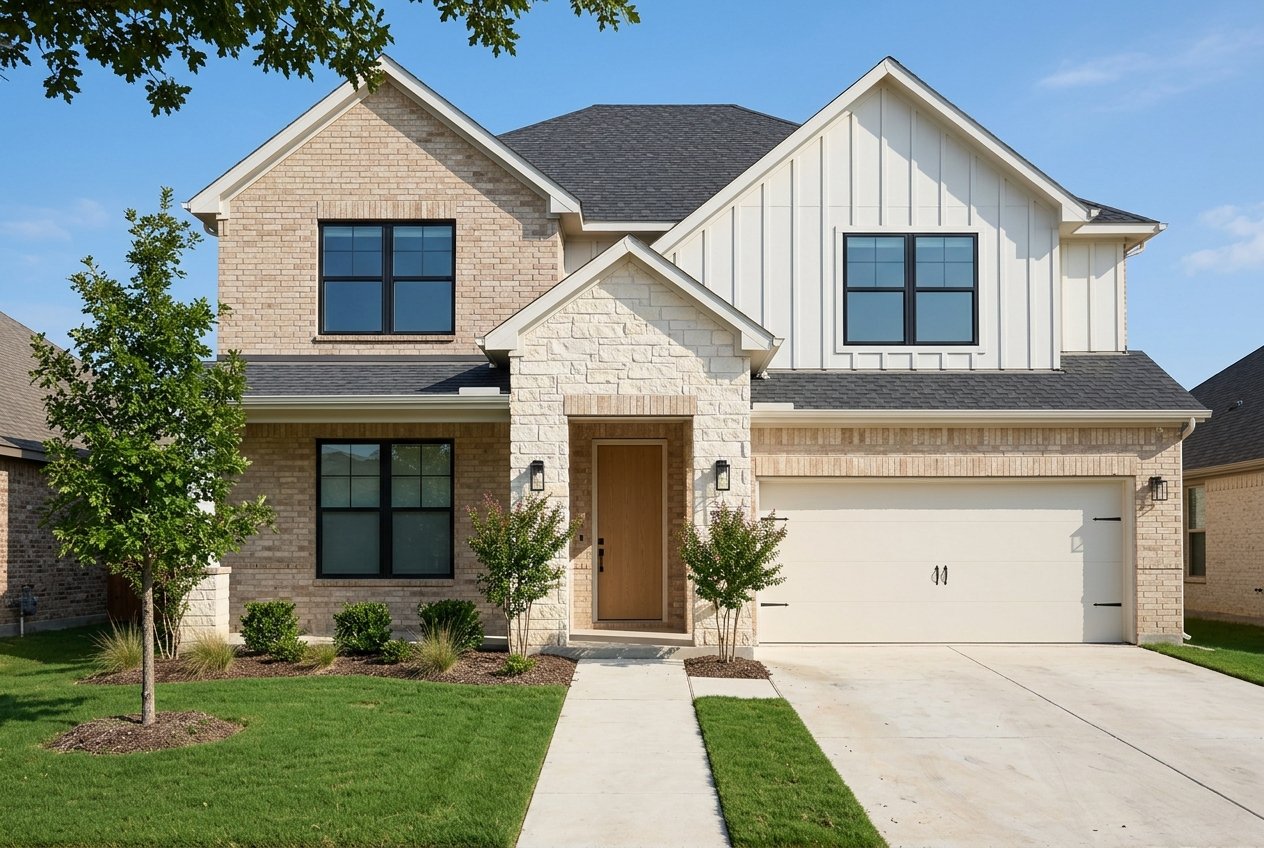
Feeling cramped in your first home but unsure how to make the next move without stretching your budget too far? You are not alone. Moving up from a starter home in Arlington can be exciting, but it also brings bigger questions about timing, equity, monthly payments, and how to line up two transactions without unnecessary stress. The good news is that with the right plan, you can make a smart move that fits your goals and your finances. Let’s dive in.
Why Arlington move-up buyers need a plan
Arlington is still an active housing market, which means your next move deserves careful coordination. In April 2026, homes in Arlington sold in about 42 days on average, received about 2 offers, and had a median sale price of $330,579. At the same time, 20.2% of homes sold above list price and 31.8% had price drops.
That mix matters if you are selling a starter home and buying something larger. You may still attract strong interest, but pricing and preparation matter more when buyers have options. A move-up plan helps you avoid overestimating your sale price or underestimating the cost of your next home.
Start with your real budget
Before you browse bigger homes, get clear on what you can actually afford. Your buying power depends on your income, credit, current monthly debts, down payment, and the interest rate available when you buy. Even a small jump in purchase price can create a noticeable payment change when mortgage rates are higher.
As of May 28, 2026, the national average for a 30-year fixed mortgage was 6.53%. That does not mean your exact rate will match that number, but it does show why payment planning matters so much for move-up buyers.
Focus on net proceeds, not just equity
A lot of sellers look at online estimates and mortgage balances, then assume the difference is what they will have for the next home. In reality, your available cash is based on net proceeds, not just equity on paper. Sale-related costs and closing costs reduce the amount you can carry into your next purchase.
That number can shape everything from your down payment to your monthly payment comfort zone. If you know your likely net proceeds early, you can shop with much more confidence.
Compare lender offers carefully
If you are moving up, this is not the time to guess at your payment. HUD says affordability depends on your full financial picture, and the CFPB recommends getting official loan offers from lenders and comparing them using the Loan Estimate and Closing Disclosure.
That side-by-side review can help you understand more than just the rate. It can also reveal differences in lender fees, prepaid costs, and the cash you will need at closing.
Understand how Arlington compares to nearby markets
One of the biggest surprises for move-up buyers is how quickly prices can change when you expand your search area. Arlington’s median sale price was $330,579 in April 2026. Nearby Fort Worth came in at $338,825, while Dallas was much higher at $464,760.
That means a modest lifestyle upgrade can land in very different price tiers depending on where you go. If you are considering a larger home, a different commute, or a nearby suburb, it helps to compare the full cost of the move, not just the list price.
Look beyond square footage
A bigger home is only part of the equation. The Dallas-Fort Worth-Arlington metro had 29,375 active listings and 3.9 months of supply in February 2026, according to Texas Housing Insight. The same report noted ongoing price softening in DFW overall, while Fort Worth-Arlington was showing signs of rising pricing pressure.
In plain terms, some areas may offer more negotiating room than others. That is why local, property-by-property guidance matters when you are deciding whether to stay in Arlington or look elsewhere in the metro.
Decide whether to sell first or buy first
There is no one-size-fits-all answer here. The right choice depends on your equity, cash reserves, and how much overlap in housing payments you can comfortably handle.
If you sell first, you may know exactly how much cash you have for your next purchase. If you buy first, you may have a better chance of moving once instead of twice, but you need a clear plan for carrying costs and timing.
Selling first can reduce uncertainty
Selling first often works well for homeowners who want a firm budget before making an offer. Since Arlington homes are taking about 42 days on average to sell, plus the time needed to close, it is smart to think of the process as a several-week to multi-month transition rather than a quick handoff.
That does not mean selling first is the only path. It just means you should build your timeline with enough flexibility to avoid unnecessary pressure.
Buying first may work with strong preparation
The CFPB notes that you can shop for a home and a mortgage at the same time. It also recommends keeping financing and inspection contingencies in place when you make offers.
For some move-up buyers, this creates a path to secure the next home while still preparing the current one for sale. The key is making sure the numbers work before you commit.
Coordinate both closings the Texas way
Timing is often the hardest part of moving up. If your sale and purchase do not line up perfectly, Texas offers practical tools that can help bridge the gap.
TREC’s Seller’s Temporary Residential Lease can be used when a seller stays in the home for up to 90 days after closing. TREC also has a Buyer’s Temporary Residential Lease for occupancy of up to 90 days before closing on the purchase side.
Temporary leases can create breathing room
These forms are not a one-size-fits-all solution, but they can help when you need extra time between transactions. For example, a short post-closing leaseback may give you time to close on your next home without rushing a move.
For many Arlington move-up buyers, that flexibility can turn a stressful chain of deadlines into a more manageable plan. It is one of the reasons local transaction coordination matters so much in Texas.
Prepare your Arlington starter home to sell
When you are trying to move up, your current home plays a big role in what comes next. A clean, well-prepared listing can improve your chances of attracting serious buyers and protecting your net proceeds.
Because 31.8% of Arlington homes had price drops in April 2026, smart pricing matters. So does making the home easy for buyers to understand and evaluate.
Texas disclosure rules matter
In Texas, sellers of previously occupied single-family homes must provide TREC’s Seller’s Disclosure Notice. This form covers material facts and the physical condition of the property.
Texas A&M’s Real Estate Center also notes that known material defects must be disclosed and that the disclosure form does not replace inspections. In other words, being upfront helps create a smoother process, but buyers may still do their own inspections.
Pricing and presentation should work together
A move-up seller usually has two goals at once. You want to sell for the best realistic price, and you want to do it on a timeline that supports your next purchase.
That is why preparation matters. Strong presentation, a thoughtful pricing strategy, and clear transaction planning can help reduce delays and keep your move on track.
Do not forget the tax and carrying-cost details
Your next home is not just about the purchase price. Ongoing ownership costs matter too, especially when you are moving into a larger property.
Arlington’s city property tax rate is $0.5998 per $100 of assessed value. The City of Arlington also says its average annual combined city property tax, water, sewer, and trash and recycling cost is $1,956, which is below Fort Worth’s $2,149. Still, final costs vary because each taxing unit sets its own rate.
Neighborhood costs can vary
If you are comparing homes across Arlington or nearby communities, it helps to remember that the total monthly cost can change by neighborhood and jurisdiction. A home with a manageable list price may still carry a different tax or utility profile than you expected.
Looking at those costs early can help you avoid buying more house than you want to maintain long term.
Homestead paperwork can help
Once your new home becomes your primary residence, do not overlook your residence homestead exemption. In Tarrant County, Tarrant Appraisal District handles local appraisal and exemption administration.
The Texas Comptroller says the general deadline for a residence homestead exemption application is before May 1. Tarrant Appraisal District says homeowners can apply online, there is no charge to file, and the online process requires a Texas ID that matches the property address.
Know the possible tax break on your sale
If your Arlington starter home has gained value, you may wonder whether you will owe taxes on that gain. Many homeowners can exclude up to $250,000 of gain from the sale of a main home, or up to $500,000 on a joint return, if they meet the IRS ownership and use tests.
That does not mean every seller will qualify, but it is an important question to raise early as part of your move-up planning. Understanding the rules before you sell can help you make better decisions about timing and proceeds.
A smart move-up plan for Arlington
If you want to move up successfully, keep your focus on four things: your likely net proceeds, your true monthly payment comfort zone, your timing strategy, and the local costs tied to the next home. Those are the pieces that turn a vague goal into a workable plan.
The Arlington market gives move-up buyers opportunity, but it also rewards preparation. When you combine realistic pricing, lender comparisons, thoughtful timing, and local guidance, you can make your next move with much more confidence.
If you are thinking about moving up from your Arlington starter home, a local, relationship-first strategy can make all the difference. When you are ready for tailored guidance on selling, buying, and coordinating the details, reach out to Krissy Mireles.
FAQs
How long does it take to move up from a starter home in Arlington?
- Arlington homes sold in about 42 days on average in April 2026, and closing adds more time, so many move-up plans work best when you think in terms of several weeks to a few months.
Should Arlington homeowners sell their current home before buying the next one?
- There is no universal answer. The best choice depends on your equity, cash reserves, and how much payment overlap you can comfortably handle.
How can Arlington move-up buyers estimate what they can afford?
- Start with income, credit, monthly debts, down payment, and the expected mortgage rate, then compare official Loan Estimates from lenders instead of relying on rough guesses.
What disclosure is required when selling a home in Arlington, Texas?
- Texas sellers of previously occupied single-family residences must provide TREC’s Seller’s Disclosure Notice covering material facts and the property’s physical condition.
Can Arlington sellers stay in their home after closing?
- Sometimes. TREC’s Seller’s Temporary Residential Lease can allow a seller to remain in the home for up to 90 days after closing.
When should Arlington buyers apply for a Tarrant County homestead exemption?
- Once the new home becomes your primary residence, it is smart to apply promptly because the general deadline is before May 1 and the exemption can affect your carrying costs going forward.
