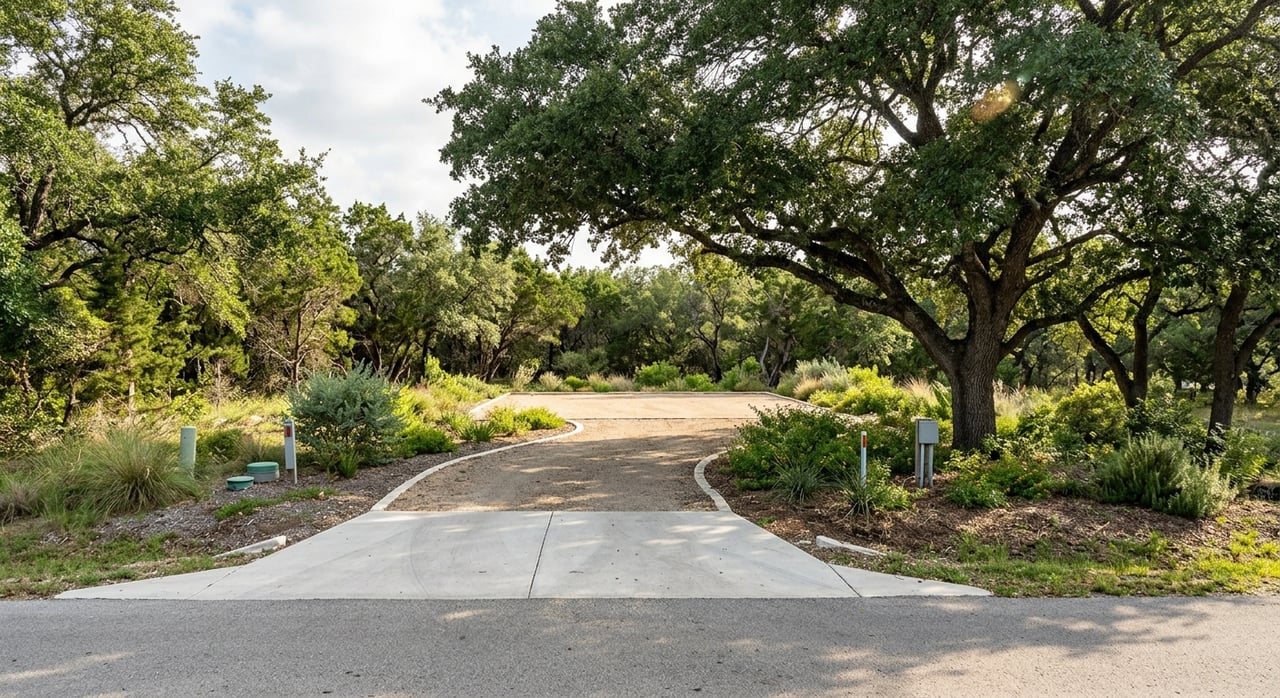
Buying land in Midlothian can feel exciting right up until the big questions start showing up. Can you actually build on it? Does it have the right access, utilities, and approvals? If you are thinking about buying land or a homesite in Midlothian, you need more than a pretty piece of property. You need clarity on what the lot can legally and practically support before you close. Let’s dive in.
Why land buying is different
Buying a resale home usually means you are evaluating a finished property. Buying land is different because you are evaluating potential. That means you need to confirm road access, utility availability, drainage, floodplain status, easements, and whether the lot is already platted for the use you want.
In Midlothian and the surrounding area, one of the first things to confirm is where the property falls from a jurisdiction standpoint. A tract may be inside Midlothian city limits, inside Midlothian’s extraterritorial jurisdiction, or in unincorporated Ellis County. Those settings can involve different review and permit processes, which can directly affect your timeline and plans.
Start with the property’s jurisdiction
Before you get too far into design ideas or builder conversations, find out who governs the property. This is one of the most important early steps in a Midlothian land purchase.
Inside Midlothian city limits
If the property is inside city limits, Midlothian’s Building Inspections Department handles code enforcement and building permits. Permits must be obtained before improvements or alterations, and inspections are managed through the city’s MyGov system.
Midlothian’s development regulations also matter here. The city’s zoning ordinance controls items like minimum lot area, setbacks, building height, fencing, landscaping, parking, and other site standards. If you are planning to build, those rules help define what the lot can support.
In Midlothian ETJ
A property in Midlothian’s ETJ can be especially important to understand correctly. The city’s subdivision rules apply to platting and subdivision both inside the city and in the ETJ.
That means a tract outside city limits may still require city involvement for subdivision-related matters. Ellis County plat filing requirements also note that subdivisions in a city’s ETJ must be approved by that city or town’s governing body and shown on the face of the plat.
In unincorporated Ellis County
If the property is outside the city in unincorporated Ellis County, the county’s Department of Development is the permitting authority. The county also directs applicants to its current development site for updates, and development in unincorporated areas is reviewed through its Growth Assessment Team.
The county asks applicants to meet with that team before submitting an application. For many buyers, this step can help surface issues early and reduce surprises later in the process.
Check buildability before closing
A beautiful tract is not always a build-ready tract. Before you buy, you want to know if the lot can support your home, your layout, and your budget.
Access and frontage
Road access should be confirmed early. Ellis County development materials state that a development permit requires at least one acre and 150 feet of county or state road frontage.
This is one of those details that can affect whether a property works for your plans at all. A tract may look ideal online, but if frontage or access is limited, your options may be narrower than expected.
Platting and legal lot status
You also need to know whether the property is already platted for the intended use. Platting and subdivision rules can affect whether you can build now, divide land later, or move forward without additional approvals.
On land deals, this is not just paperwork. It can shape your timeline, your permitting path, and even whether the property functions as a true homesite.
Easements and usable area
Not every part of a lot may be available for building. Utility easements, right-of-way areas, and other title exceptions can limit placement of the home, driveway, shop, or other improvements.
That is why the survey and title review matter so much. You want to know the actual buildable footprint, not just the total acreage shown in a listing.
Utilities can change everything
Utilities are one of the biggest variables in a Midlothian-area homesite purchase. Public water and sewer are very different from a setup that depends on a well and septic system.
Utility service in Midlothian
Within Midlothian, the city handles utility services. Public Works and Utility Billing manage water delivery, wastewater collection, and service establishment for water and sewer, along with trash, recycling, and backflow fees.
The city’s current service information lists a water and sewer application, a $25 application fee, and a $150 deposit for new service. If you are buying in town, it is smart to confirm service availability and connection requirements early.
Septic on rural or semi-rural lots
If the lot is rural or semi-rural, septic may be a major factor. The Texas Commission on Environmental Quality states that on-site sewage facilities must be designed based on a site evaluation that reflects local conditions, and its OSSF program covers permitting, maintenance, and construction requirements.
In Ellis County, lot-size standards also depend on utility and septic setup. County subdivision standards say lots served by approved public water plus OSSF need at least one acre, while lots with an individual water well plus OSSF need at least two acres.
Floodplain and drainage matter more than you think
Floodplain status should be checked early in any land purchase. It can affect where you build, what documentation is required, and how your site planning comes together.
Ellis County participates in FEMA’s National Flood Insurance Program, and the county engineering department can provide flood maps, flood-zone determinations, building requirements, historical flood data, and elevation certificates when available. County subdivision standards also require elevation certificates for lots in the 100-year floodplain and may require additional review if floodplain land is being reclaimed for development.
Drainage also deserves close attention, even if a lot is not in a mapped floodplain. Grading, runoff, and low areas can affect construction cost and long-term use of the property.
Why survey and title review are critical
On a land purchase, the survey is not a minor formality. It is one of your best tools for understanding what you are really buying.
Texas contract standards provide that the survey must be made by a registered professional land surveyor acceptable to the title company and lender. Depending on the transaction, a buyer may receive an existing survey with a T-47 affidavit or obtain a new survey.
The survey helps show easements, right-of-way, acreage, metes and bounds, and other details that may affect use of the property. You want that information reviewed alongside the title commitment before closing.
Title matters too, but for a different reason. In Texas, title insurance protects ownership interests, not physical damage. The title commitment should be checked against the survey because unknown liens, encumbrances, easements, and map issues can affect whether the homesite is truly usable.
Texas also standardizes title policy language and rates, and buyers may choose any licensed title company. In practice, that often makes service, communication, and local experience especially important.
Financing a lot may look different
Land financing is not always the same as financing a home. Loans secured by vacant or unimproved property can be treated differently from loans secured by a dwelling, and larger acreage or unusual appraisal conditions may fall into non-conforming lending categories.
That is why it helps to ask detailed financing questions up front. Some buyers may be pursuing a land-only loan, while others may be looking at construction-to-permanent financing or a two-step approach with lot purchase first and construction later.
If you plan to build, ask whether the lot purchase can be rolled into future construction financing. Getting clarity on that early can help you compare properties more realistically.
Smart questions to ask before you buy
The right questions can save you time, money, and frustration. When you are buying land or a homesite in Midlothian, these are some of the most important conversations to have.
Ask your lender
- Is this a land-only loan, a construction-to-permanent loan, or a two-step loan?
- Does the tract fit the lender’s acreage, appraisal, and underwriting rules?
- If you plan to build, can the lot purchase be included in the construction financing?
Ask your surveyor or title company
- Does the survey show easements, right-of-way, floodplain areas, and the likely buildable footprint?
- Are there title exceptions or access issues that could affect where the house can go?
- Has the title commitment been reviewed against the survey and contract?
Ask your builder
- Who handles permits, inspections, septic approvals, 9-1-1 addressing, and utility coordination?
- What site work is included in the price?
- What happens if the lot is not build-ready on day one?
A practical path for Midlothian buyers
When you are buying land, it helps to slow down and verify the basics in the right order. A good-looking tract is only the starting point.
A practical process often looks like this:
- Confirm whether the property is in city limits, ETJ, or unincorporated Ellis County.
- Verify access, road frontage, and legal lot status.
- Check utility availability, including water, sewer, well, or septic needs.
- Review floodplain, drainage, and site conditions.
- Order and review the survey and title commitment together.
- Talk with your lender about the right financing structure.
- Confirm with your builder who is responsible for approvals and site work.
Taking these steps before closing can help you move forward with more confidence and fewer surprises.
Buying land or a homesite in Midlothian can open the door to a custom build, more space, and a property that fits your long-term goals. It also requires careful local due diligence, especially when jurisdiction, utilities, septic, floodplain, and platting can all affect what you can build. If you want a local guide who understands Midlothian, Ellis County, and land transactions from a practical, boots-on-the-ground perspective, Krissy Mireles is here to help.
FAQs
What should you verify before buying land in Midlothian?
- You should verify jurisdiction, road access, utility availability, floodplain status, easements, drainage, survey details, and whether the lot is properly platted for your intended use.
How do Midlothian city limits and ETJ affect a homesite purchase?
- Inside city limits, Midlothian handles permits, inspections, zoning, and utility service, while in the ETJ the city’s subdivision rules still apply to platting and subdivision matters.
What permits may be required in unincorporated Ellis County?
- Ellis County states that permits are required for various property activities and structures, including items such as septic systems, culverts, tiny homes, sheds, barns, carports, ponds, tanks, and shops.
How much land do you need for septic in Ellis County?
- Ellis County subdivision standards say lots with approved public water plus OSSF need at least one acre, while lots with an individual well plus OSSF need at least two acres.
Why is a survey important when buying a homesite in Midlothian?
- A survey helps identify boundaries, easements, right-of-way, floodplain areas, acreage, and other factors that may affect the buildable area of the property.
What is the role of title insurance on a land purchase in Texas?
- Title insurance protects your ownership interest and can help address issues such as liens, encumbrances, easements, and other title-related matters, but it does not cover physical damage to the property.
Can financing a lot in Midlothian differ from financing a house?
- Yes, loans for vacant or unimproved land may be handled differently from loans secured by a dwelling, so it is important to ask your lender about loan type, acreage limits, appraisal standards, and construction options.
